

In the dynamic journey of childhood development, play and joy are not mere supplements but foundational elements that contribute significantly to the growth and well-being of children. Through the lens of neuroscience and developmental psychology, the critical importance of these elements becomes increasingly evident. Play therapists and child development experts have long advocated for the essential role of unstructured play in fostering cognitive, emotional, and social growth.
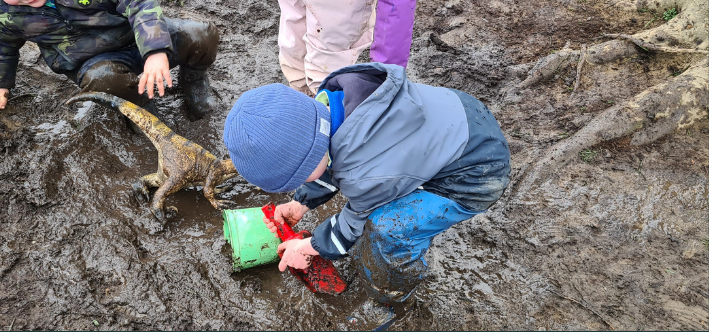
The Biochemical Benefits of Joy
Joy, often experienced through playful activities, triggers a powerful biochemical response similar to that elicited by other fundamental human experiences. The release of neurotransmitters such as dopamine and serotonin during joyful play enhances mood, reduces stress, and promotes a sense of well-being. This biochemical response not only underscores the immediate benefits of joy but also its long-term impact on a child's emotional and psychological development.
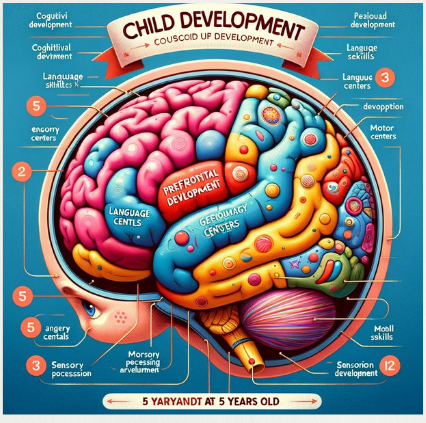
The Imperative for Joyful Learning Environments
Creating environments that prioritize joy and play is essential in fostering well-rounded, resilient, and emotionally intelligent children. Educators, parents, and play therapists play a critical role in advocating for play-based learning, ensuring that children have ample opportunities for joyful play. Such environments not only enhance learning and development but also contribute to a more compassionate, empathetic society.
Fostering Emotional Intelligence Through Play
Play and joy are also vital in cultivating empathy, compassion, and emotional intelligence. Engaging in play allows children to explore various roles, understand different perspectives, and develop empathy. These experiences are crucial in building emotional intelligence, which is as important as cognitive development in ensuring a child's success and well-being.
Evolutionary Biology of Play
From an evolutionary perspective, play has been identified as a crucial behaviour for survival and adaptation. The act of playing contributes to the development of critical skills, including social interaction, conflict resolution, and environmental adaptation. This perspective aligns with recent findings in evolutionary biology, which suggest that play behaviours observed in humans and other mammals are instrumental in developing the cognitive and social skills necessary for survival.
Neuroscience and Play
Groundbreaking research into the neuroscience behind play reveals its substantial impact on the brain's development. Play activates multiple regions of the brain, including those responsible for motor skills, social interactions, emotional regulation, and problem-solving abilities. This activation supports the formation of neural connections, enhancing brain plasticity and learning capabilities.
The Critical Role of Play in Education
Despite its proven benefits, play is often undervalued in educational settings, overshadowed by academic benchmarks and structured learning. However, integrating play into educational frameworks is paramount. Play-based learning environments encourage exploration, curiosity, and creativity, offering a holistic approach to education that nurtures the mind, body, and spirit.
Conclusion
The interplay between joy, play, and childhood development is profound. Recognising these elements' integral role in nurturing growth is crucial. By championing the cause of play and joy in education and development, we unlock children's full potential, paving the way for a future characterized by resilience, creativity, and a lifelong love of learning.
Nurturing + Empathy = Compassion
Play + Curiosity + Nurturing = Joy
Compassion + Joy = Thriving Children
References
- Bjorklund, D. F., & Brown, R. D. (1998). Physical play and cognitive development: Integrating activity, cognition, and education. Child Development, 69(3), 604-606.
- Panksepp, J. (1998). Affective neuroscience: The foundations of human and animal emotions. Oxford University Press.
- Pellis, S. M., & Pellis, V. C. (2007). Rough-and-tumble play and the development of the social brain. Current Directions in Psychological Science, 16(2), 95-98.
- Hirsh-Pasek, K., Golinkoff, R. M., Berk, L. E., & Singer, D. G. (2009). A mandate for playful learning in preschool: Presenting the evidence. Oxford University Press.
- Goleman, D. (1995). Emotional intelligence. Bantam Books.
- Ginsburg, K. R. (2007). The importance of play in promoting healthy child development and maintaining strong parent-child bonds. Pediatrics, 119(1), 182-191.