
The Curiosity Approach
An exploration of
Loose Parts
"Teach children how to think, not what to think"
.
Nicolson and
theory of loose parts
The idea of "loose parts" has been around as long as children have played with things like sticks and stones. Simon Nicholson, an architect, came up with this idea officially in 1971. He pointed out that giving children finished toys and fixed play spaces could
limit their creativity. Nicholson believed that all children are naturally creative and we should help them grow this creativity, not hold it back. His way to help children be more creative was to let them play with loose parts — things that don't have a set purpose, so they can use them in the way they want. That will allow children to imagine and create freely.
What are Loose Parts?
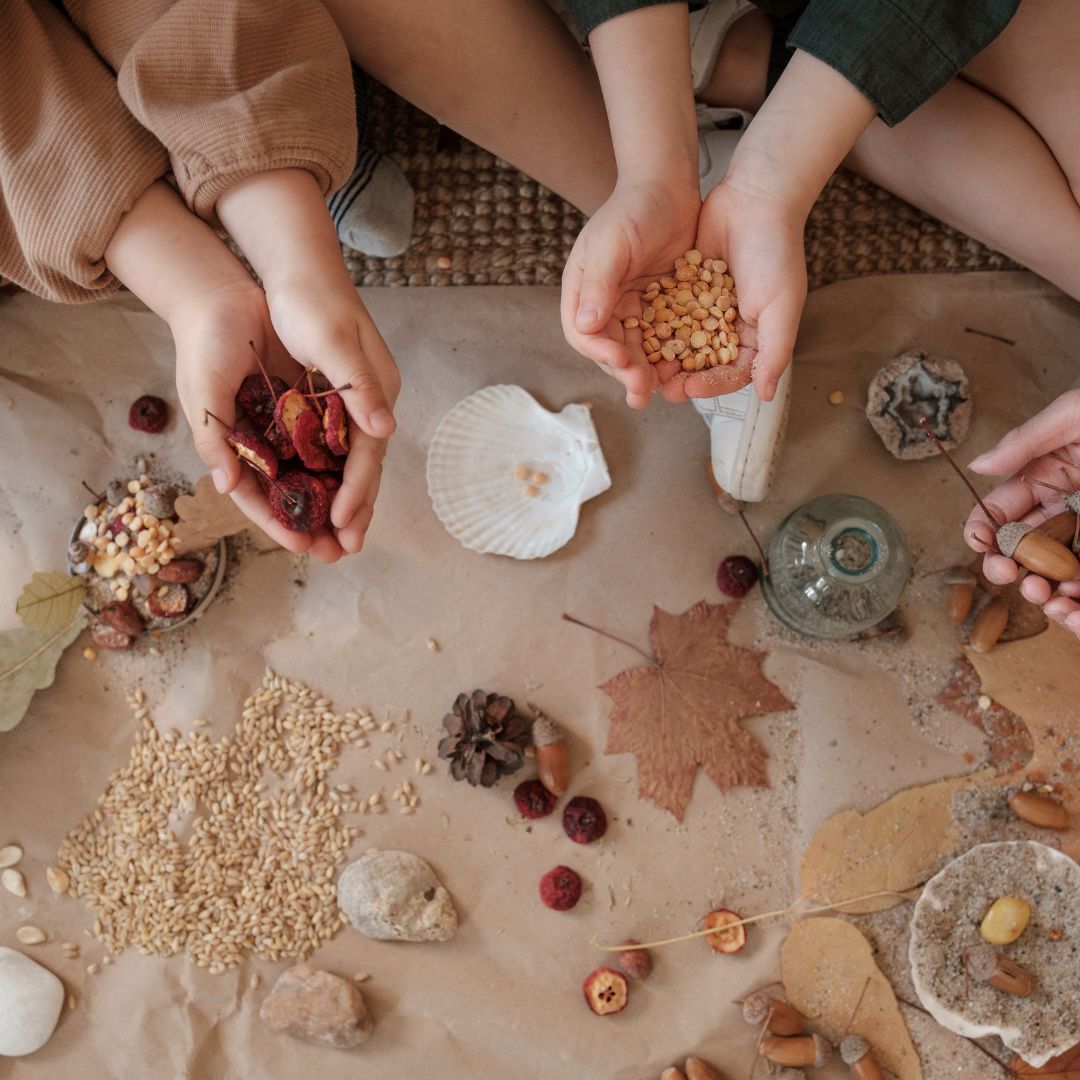
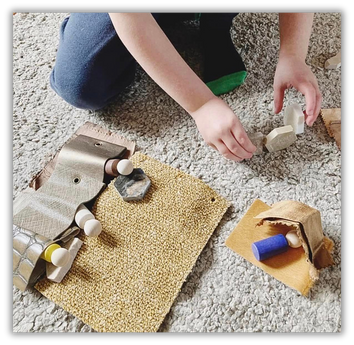
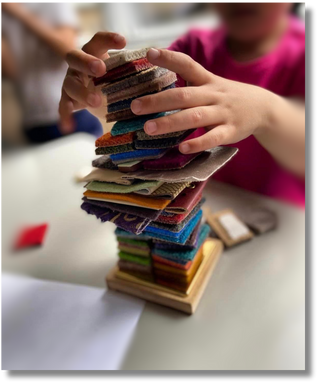
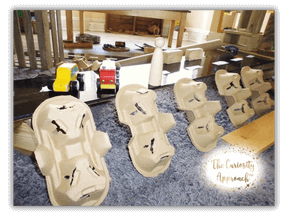
Loose parts can be objects from nature or items created by people, which can be used in lots of different ways without any specific end result in mind. Children can mix them, arrange them in rows, connect them, or carry them around. Making loose parts available in a play area lets children decide how they want to use these items. When children start to explore what they can do with loose parts, they begin to develop their ability to be creative and think critically. They also learn skills like problem-solving, counting, and organising.
This helps teach children the process of thinking for themselves rather than just learning facts.
How is it magic?
Loose part materials are inherently passive; they remain inert until a child or creator collects and transforms them into something new. These materials, whether they are twigs, stones, fabric scraps, or plastic tubes, hold no defined purpose or function on their own. It is only through the act of gathering and combining these various elements that they become active components of play and learning. As children manipulate and assemble these parts, they breathe life into them, turning simple, unassuming objects into tools of imagination and innovation. This transformative process not only reflects the creativity of the users but also underscores the potential hidden in everyday materials when seen through a lens of possibility.
Sustainability and beter world
Incorporating loose parts into play and learning environments not only fosters creativity and critical thinking in children but also contributes to a more sustainable future. Loose parts, which can be anything from natural materials like stones and leaves to recycled objects like cardboard tubes and fabric scraps, encourage reuse and recycling, reducing waste and promoting environmental consciousness from a young age. By using materials that might otherwise end up in landfills, children learn the importance of resourcefulness and environmental stewardship.
Natural loose parts
feather, bamboo, bark, leaves, flowers, stones, shells, tree stomps, twigs, pine cones, seeds etc.
Man-made losse parts
buttons, pegs, boxes, chains, nuts and bolts, real tools,
packaging material, fabric, ribbons etc.